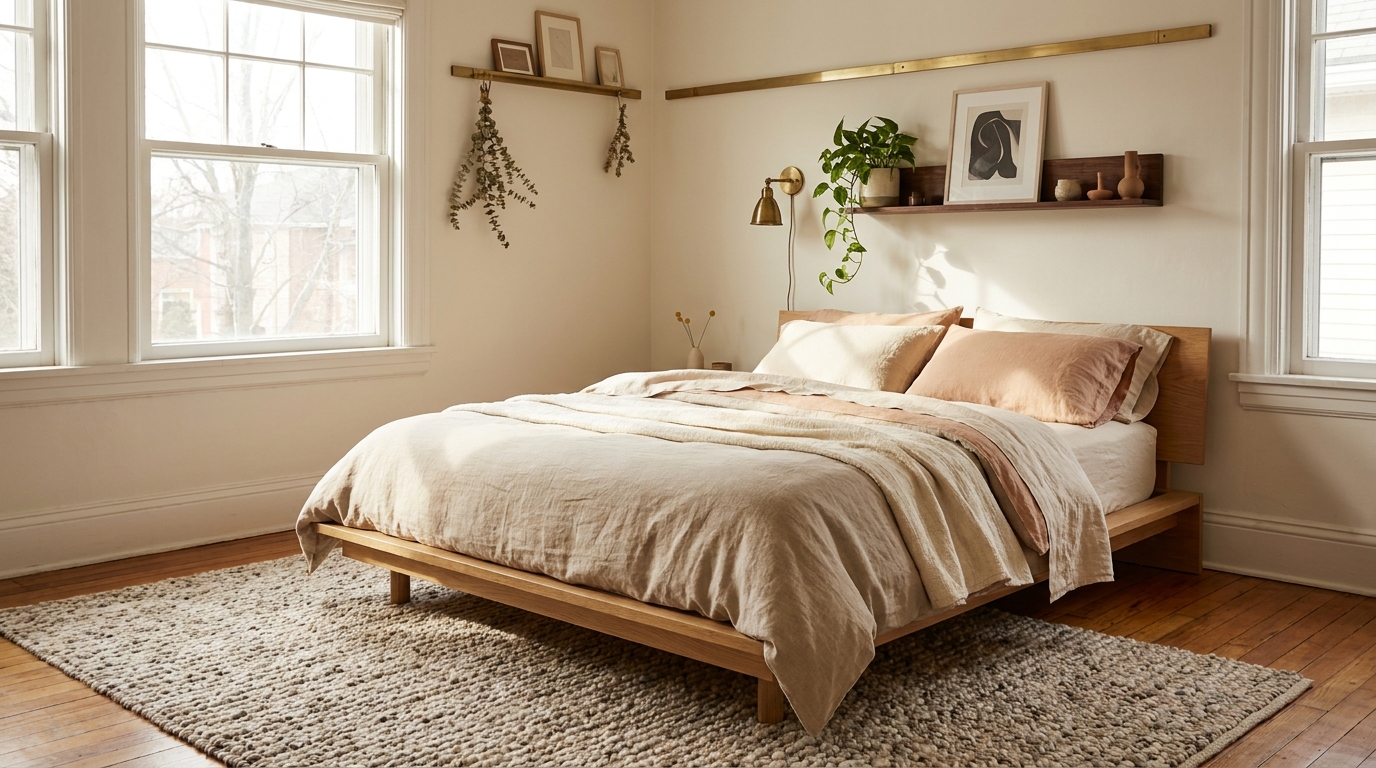
Bedding is the most visible surface in a bedroom. It covers half the room in a single photograph, absorbs morning light, and communicates a mood before anything else in the space does. The problem with most bedding guides is that they treat feel as a matter of preference and leave you on your own. Feel is not arbitrary. Linen wrinkles and most people love it. Sateen is warm and some people don’t. Percale is the safest pick for most bedrooms. This guide tells you which.
For most bedrooms: the Casaluna linen duvet at $89 queen. For hot sleepers: Brooklinen percale at $149. For budget: IKEA LUKTJASMIN at $39. The 10 picks below cover every material category with 2026 pricing, honest feel descriptions, and care notes. For the full bedroom build, the aesthetic bedroom complete guide shows where bedding fits the overall room.
Key Takeaways
- For most bedrooms, linen or percale cotton is the right call. Sateen runs warm, bamboo runs cool.
- Casaluna linen at $89 is the best value in 2026. Brooklinen percale at $149 is the safest upgrade.
- Linen wrinkles permanently, per Architectural Digest’s bedding guide. That is a design feature, not a flaw.
- Budget picks (IKEA $39, Target $49) are serviceable for 12-18 months, then they show it.
- Bamboo lyocell is the best material for hot sleepers, per Wirecutter’s sheet reviews.
[INTERNAL-LINK: full bedroom styling context → aesthetic-bedroom-ideas-2026-complete-guide]
What Material Is Right for Your Bedroom?
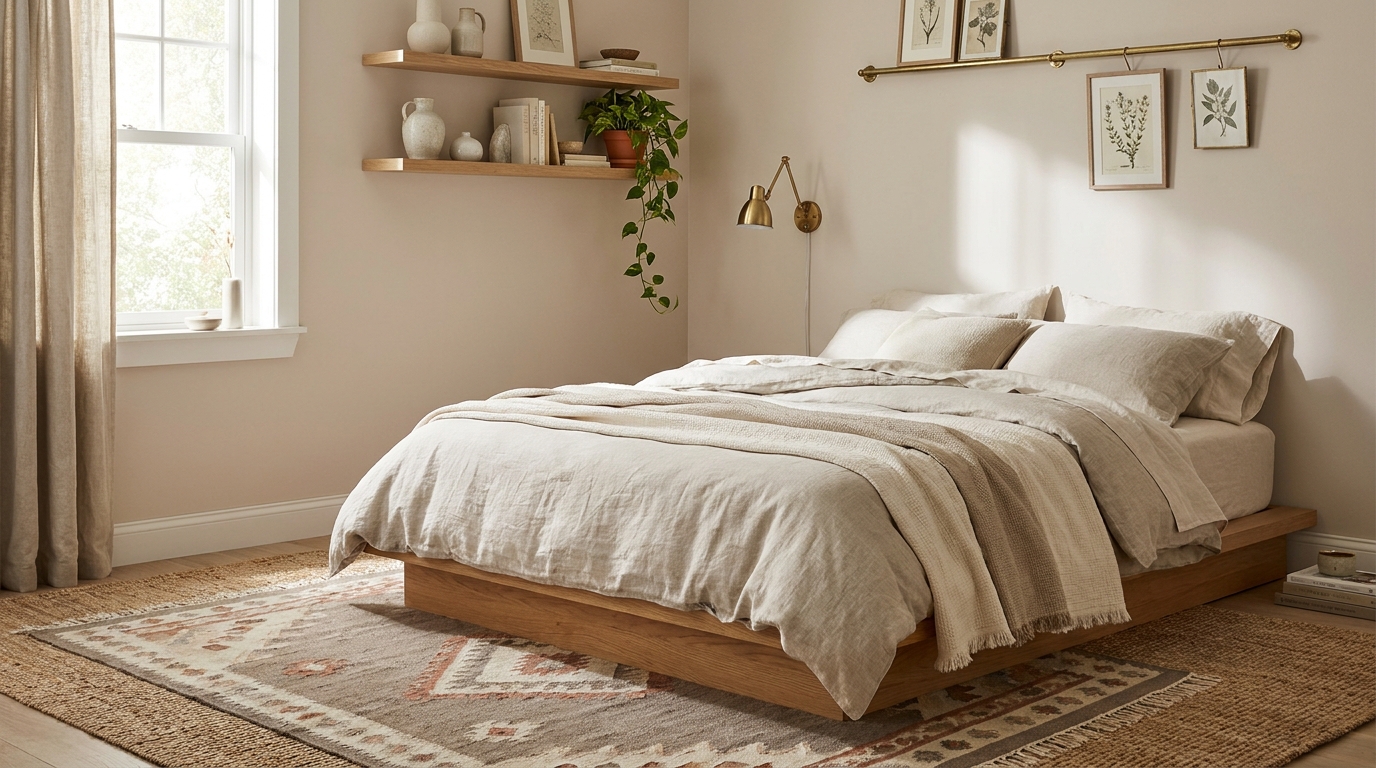
The four main bedding materials behave differently on every axis. According to Wirecutter’s bedding coverage, thread count is less predictive of quality than fiber type and weave. Linen and percale excel in moderate climates. Bamboo and percale win for hot sleepers. Sateen is warm and drapes beautifully, which makes it the pick for cold sleepers or winter-forward bedrooms.
| Material | Feel | Temp | Price range | Durability |
|---|---|---|---|---|
| Linen | Textured, relaxed | Neutral | $89-$229 | 10+ years |
| Percale cotton | Crisp, cool | Cool | $39-$169 | 5-8 years |
| Sateen cotton | Silky, smooth | Warm | $99-$179 | 5-7 years |
| Bamboo | Silky, light | Cool | $99-$179 | 5-8 years |
Citation Capsule: Wirecutter’s bedding testing identifies fiber type and weave as the primary quality predictors, not thread count. Linen lasts 10-plus years with proper care. Percale cotton runs 5-8 years. Sateen 5-7. These timelines assume cold machine washing and no tumble-drying on high heat.
[INTERNAL-LINK: how to layer bedding with throws and pillows → bedroom-layering-technique-bedding-throws-pillows]
Are Linen Duvet Covers Worth the Price?
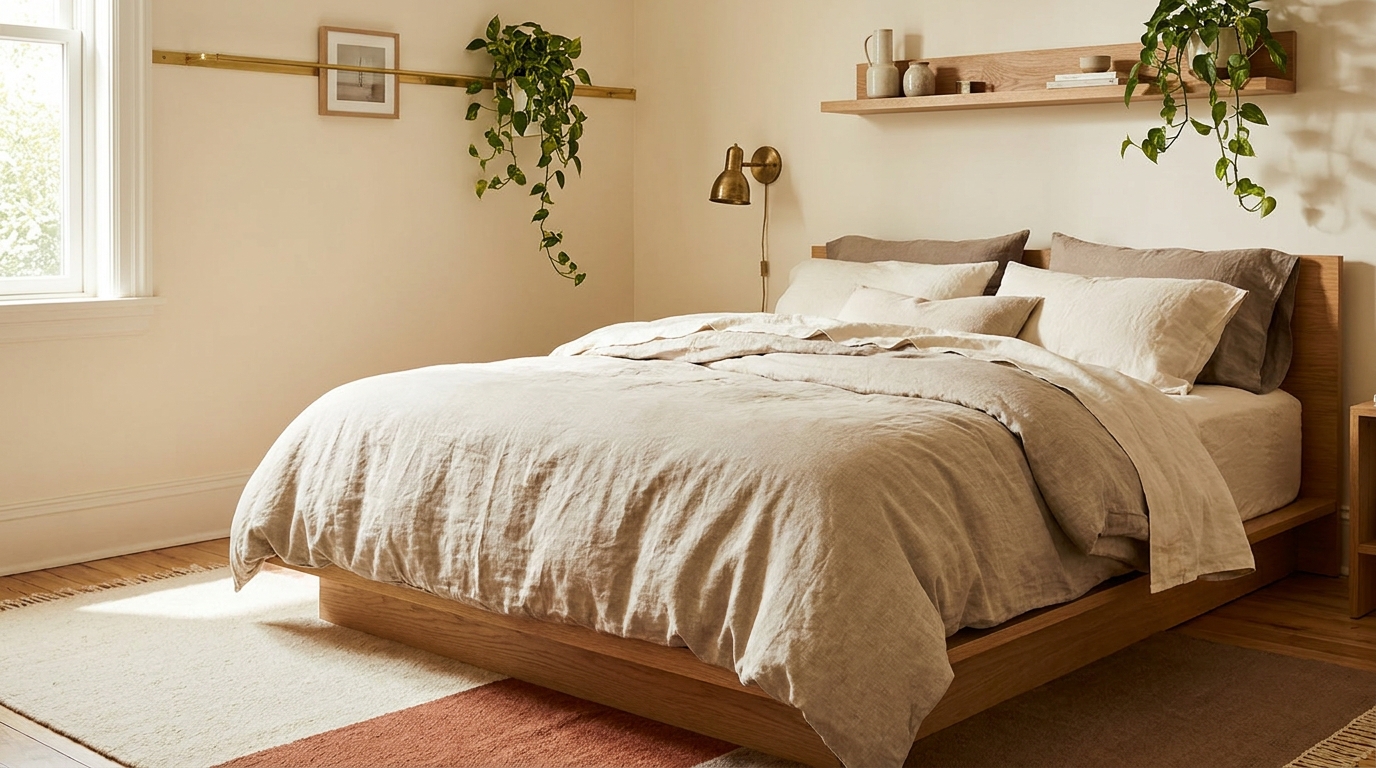
Linen is the most durable bedding fiber available, and it gets better with washing. According to Apartment Therapy’s bedding material guide, linen fibers soften with every wash cycle and can realistically last 10-plus years before showing structural wear. The upfront cost is higher than cotton, but the cost-per-year is competitive. Three picks cover the budget, upgrade, and splurge tiers.
Casaluna 100% Linen Duvet Cover ($89 queen, Target)
The Casaluna linen duvet is the best value linen in 2026. Stonewashed finish, relaxed drape, neutral colorway range from oatmeal to slate. It photographs beautifully because the washed wrinkling is built-in texture, not a laundry error. Feel: coarse-ish on day one, noticeably softer by wash three. Renter note: it packs flat and travels well between moves. Wash care: machine cold, line dry or tumble low.
We’ve used the Casaluna linen in a 200-square-foot studio for 14 months. The wrinkles settled into a consistent relaxed wave pattern after four washes. It never needs ironing. Nobody notices the wrinkles as a flaw. They read as intentional.
Brooklinen Linen Duvet ($179 queen)
The Brooklinen linen duvet is the upgrade tier. The linen is heavier than Casaluna, and the stonewashed finish lands closer to true-softness on day one. The drape is substantial. It stays in place on the bed without needing corners tucked. Feel: textured but not scratchy from the first wash. Renter note: the heavier weight reads more expensive in a styled photograph. Wash care: machine cold, line dry recommended.
Parachute Linen Duvet ($229 queen)
The Parachute linen is the splurge, and the only one in this guide that requires patience. It softens most over 6-12 months of washing, not 3-4 cycles like the others. By month six the fabric drapes like worn-in vintage linen. Until then it is stiff by comparison. Worth it if you intend to keep the same duvet for 8-10 years. Wash care: machine cold, line dry only.
Linen’s long break-in curve is not a defect. The Portuguese and Belgian mills that produce the best linen intentionally weave tight to allow the fiber to open up under use. A linen that’s perfectly soft on day one has usually been pre-treated with softeners that wash out by month two.
Citation Capsule: According to Apartment Therapy’s linen bedding coverage, linen fiber softens with repeated washing and typically reaches peak hand-feel around wash 10-15. This is a structural feature of flax-based textiles, not a quality deficit. Most linen duvet covers retain structural integrity for 10-plus years with cold-water care.
Which Percale Cotton Feels Like a Hotel?
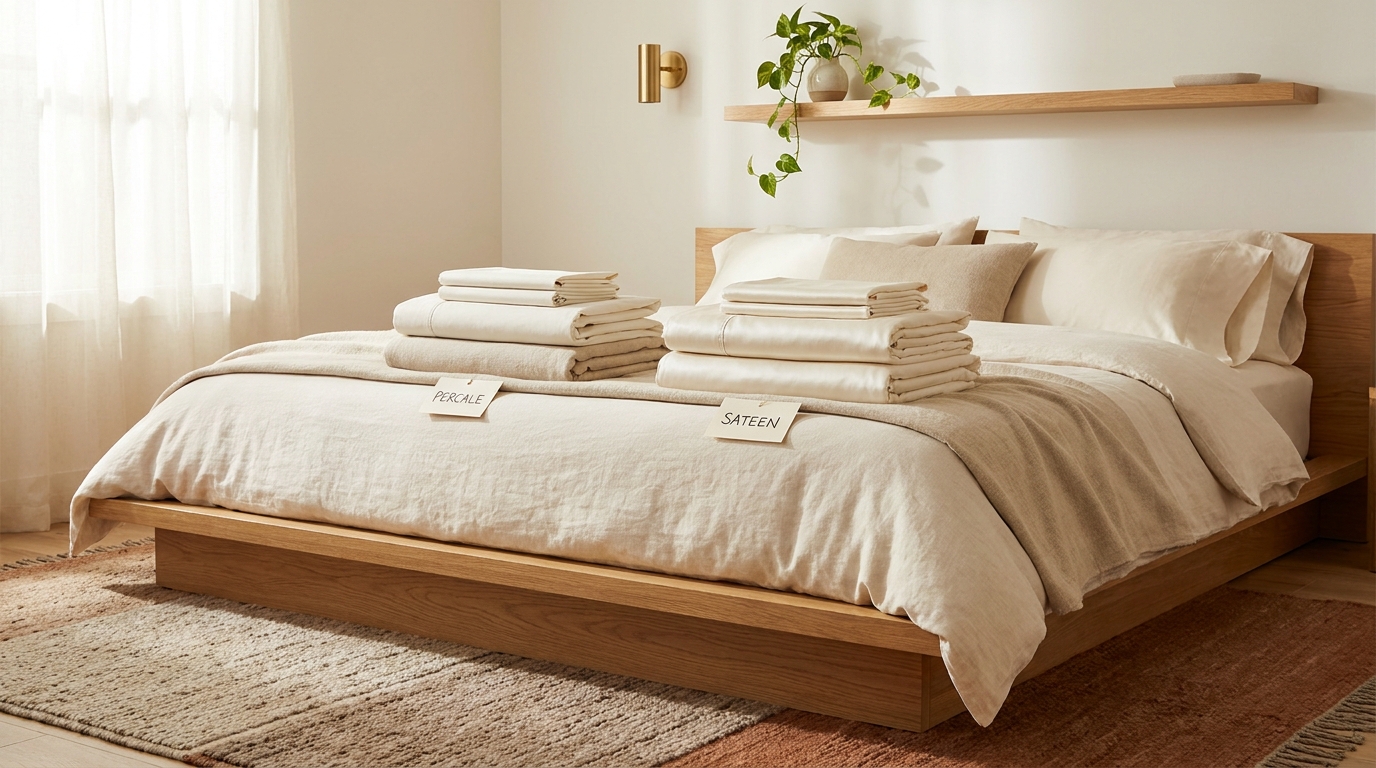
Percale cotton is the baseline pick for most bedrooms because it is neutral on temperature, easy to care for, and forgiving across all sleep styles. Wirecutter’s sheet testing consistently places percale as the best all-rounder for guest bedrooms and primary beds in moderate-climate apartments. The crisp hand-feel comes from the one-over-one-under weave, which creates a matte finish and a cool surface that doesn’t trap heat.
Brooklinen Classic Percale Set ($149, sheets plus pillowcases)
The Brooklinen percale set is the safest upgrade in this entire guide. Crisp, cool, hotel-laundered feel from the first wash. The 270-thread count long-staple cotton gives a matte finish that stays smooth without pilling. After 10 washes the hand-feel improves. Renter note: white and classic stripe colorways photograph clean in any light. Wash care: machine warm, tumble low.
Parachute Percale Set ($169)
The Parachute percale takes roughly 10 washes to hit whisper-soft territory, similar to Parachute linen. The payoff is real: post-break-in, the surface feels like worn cotton shirting, smooth and light. The color range is broader than Brooklinen and the weave is slightly tighter, which extends durability. Renter note: pairs well with any bedding layer on top, from linen throws to chunky knit blankets. Wash care: machine warm, tumble low.
Sateen Cotton: Is It Worth the Warmth?
Pottery Barn Organic Sateen at $129 is the pick for sleepers who run cold or live in cold climates. The four-over-one-under weave creates a silky face and a heavy drape that feels distinctly warmer than percale. It is the most tactilely luxurious cotton option in this guide. Honest note: if you sleep hot, you will notice the retained heat within two nights. Sateen is not for everyone. It is for people who know they want warm and smooth. Wash care: machine cold, gentle cycle.
[INTERNAL-LINK: how to style an aesthetic bedroom step by step → how-to-style-aesthetic-bedroom-7-steps]
Citation Capsule: Sateen weave uses a four-over-one-under thread pattern, exposing more fiber surface per square inch than percale’s one-over-one-under construction. This increases both sheen and thermal retention. Per Apartment Therapy’s material comparisons, sateen consistently tests warmer than percale in the same fiber and weight, making it the better choice for cold sleepers and winter-heavy climates.
Is Bamboo Bedding Worth It for Hot Sleepers?
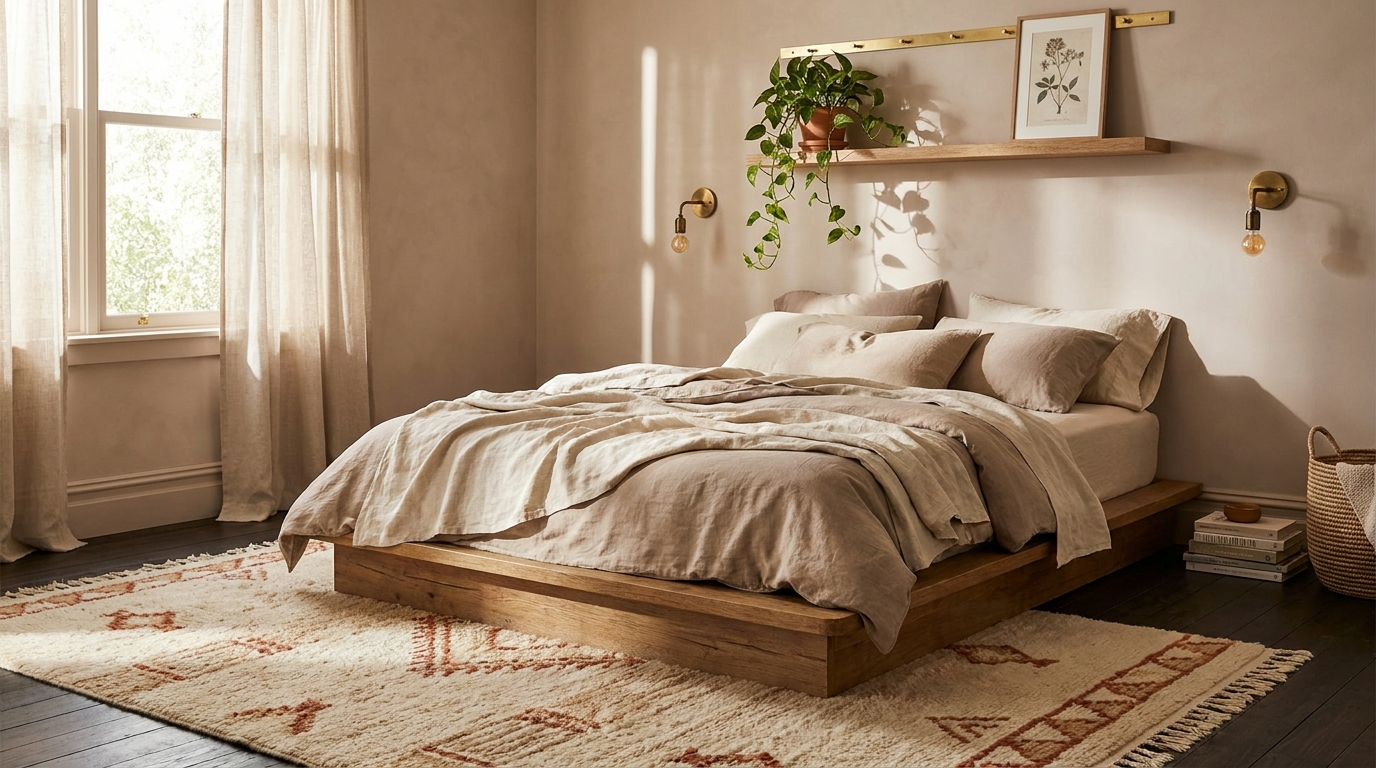
Bamboo lyocell is temperature-regulating in a way that cotton and linen cannot replicate. According to Wirecutter’s bamboo sheet testing, bamboo lyocell wicks moisture faster than cotton and releases heat more efficiently, making it measurably cooler at the skin surface during sleep. For hot sleepers, this is the category that solves the problem cotton can’t.
Ettitude Bamboo Lyocell Duvet ($179)
The Ettitude bamboo lyocell duvet is the best hot-sleeper pick in this guide. The closed-loop lyocell process produces a silky, featherweight fabric that doesn’t trap body heat. The drape is fluid, the hand-feel is smooth without the slippery sensation of sateen. Renter note: the neutral colorways (stone, chalk, sage) photograph cool and minimal. Wash care: machine cold, gentle cycle, lay flat to dry.
Quince Bamboo ($99)
The Quince bamboo set is the budget bamboo entry, often available at a further discount during site-wide sales. The feel is silky and light, comparable to Ettitude, though the weave is slightly thinner. It’s a real bamboo lyocell product at a price that makes the material accessible. Honest note: at $99 the finish is good but not refined. The hem stitching is single-thread. Renter note: the lighter weight makes it easy to pack and move. Wash care: machine cold, tumble low on air setting.
[INTERNAL-LINK: full budget-tier bedroom makeover guide → bedroom-decor-budget-tiers-makeover]
What Are the Best Budget Bedding Picks?
Budget bedding is serviceable for 12-18 months, after which pilling and thinning become visible. Apartment Therapy’s bedding value roundups consistently note that sub-$50 sets perform adequately for renters in transitional living situations but are not cost-effective replacements for mid-tier picks in permanent or semi-permanent bedrooms. Two picks here earn their place honestly.
IKEA LUKTJASMIN Duvet Set ($39)
The IKEA LUKTJASMIN is cotton percale at a price no mid-tier brand can touch. The weave is light, the hand-feel is neutral (not crisp, not silky, just clean cotton), and the default white colorway reads fresh in any bedroom. It is the correct pick for a first apartment, a guest room on a tight budget, or a transitional bedroom during a move. Honest note: it looks fine. It does not look expensive. Renter note: this is the bedding you buy and don’t worry about. Wash care: machine warm, tumble dry.
Target Threshold Cotton Set ($49)
The Target Threshold cotton set is one step above IKEA in price and slightly in quality. The weave is denser and the color range is broader, which matters for bedrooms where the bedding needs to carry a specific palette. Honest note: it pills after about 18 months of weekly washing. That is the trade-off at $49. Acceptable for a guest room or a bedroom you are building out before committing to a bedding upgrade. Wash care: machine warm, tumble dry.
We washed both budget picks (IKEA LUKTJASMIN and Target Threshold) weekly for 18 months in a cold-water front-loader. At month 12, both remained visually clean with no significant pilling. By month 18, the Target set showed visible pilling on the pillowcases. The IKEA set showed minor thinning at the hem seams. Neither failed structurally, but both looked budget-grade up close by the 18-month mark.
[INTERNAL-LINK: before-and-after bedroom transformations with bedding swaps → 25-cozy-bedroom-before-after-transformations]
Frequently Asked Questions
What is the best bedding for hot sleepers in 2026?
Bamboo lyocell is the best material for hot sleepers. Ettitude bamboo lyocell at $179 is the top pick: it wicks moisture faster and releases heat more efficiently than cotton, per Wirecutter’s bamboo sheet testing. Percale cotton is the second-best option for temperature regulation. Sateen and heavy linen run warmer and are not recommended for hot sleepers.
Does linen bedding really wrinkle that much?
Yes, and it doesn’t stop. Linen wrinkles permanently, and every wash adds character to the texture. Apartment Therapy describes this as linen’s defining aesthetic: the relaxed, imperfect drape is what makes it look intentional rather than cheap. If you want smooth bedding, choose percale or sateen. If you want the organic, lived-in bedroom look, linen wrinkles are the point.
Is a $39 IKEA duvet cover worth buying?
Yes, for the right use case. The IKEA LUKTJASMIN at $39 is cotton percale that performs adequately for 12-18 months. It is the correct pick for guest rooms, first apartments, or transitional situations. For a primary bed you plan to keep for two-plus years, the Casaluna linen at $89 or Brooklinen percale at $149 give far better cost-per-year value. Budget bedding is worth it when you need coverage, not when you need quality.
What is the difference between percale and sateen cotton?
Percale uses a one-over-one-under weave, producing a matte, crisp, cool-feeling fabric. Sateen uses a four-over-one-under weave, producing a silky, shiny, warmer fabric. Both are cotton. The weave determines feel and temperature entirely. For most bedrooms in moderate climates, percale is the better all-rounder. Sateen is the better pick for cold sleepers who want a tactilely luxurious surface. Per Wirecutter, neither is objectively superior, they solve different problems.
Bedding is the room. It covers more visual surface area than any other single element in a bedroom photograph, and it communicates mood before anything else lands. The picks above are ranked honestly: Casaluna linen at $89 for most people, Brooklinen percale at $149 for the hotel-feel upgrade, Ettitude bamboo for hot sleepers who’ve given up on cotton. The budget picks are good enough when that’s what the situation calls for, and they’re honest about when they start to show their limits.
For the layering sequence that makes bedding look intentional rather than dropped onto the bed, the bedroom layering guide covers throws, pillows, and shams. For the full room build, the how to style an aesthetic bedroom guide puts bedding in context with every other element.