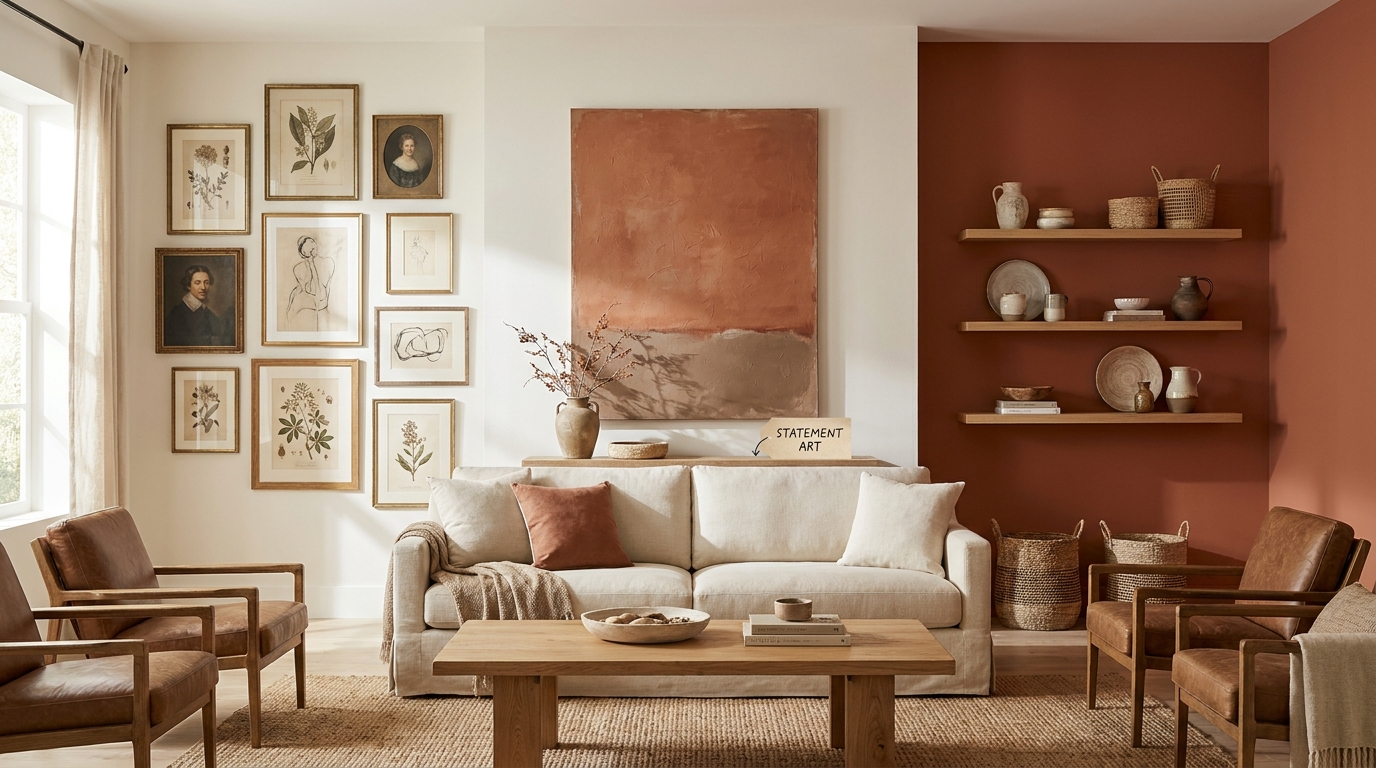
You finally have a blank wall that’s begging for something. The question is what. A gallery wall feels personal but takes effort. An accent wall makes a room look designed but might cost your deposit. A single statement piece is clean and grown-up but expensive if you want it to actually fill the space.
If you’re a renter or first-time homeowner staring at that wall right now, this guide solves the decision for you. We’ll compare all three options across cost, commitment, visual weight, and lease-friendliness — then tell you exactly which one fits your room.
Key Takeaways
– Gallery wall: best for renters, sentimental decorators, and rooms that need warmth. Cost: $50–$400. Removable.
– Accent wall: best for owners or renters with paint-friendly leases. Adds depth to small rooms. Cost: $40–$200 (paint) or $30–$150 (peel-and-stick).
– Statement art: best for minimalists, small spaces, and anyone who wants “done in one weekend.” Cost: $80–$2,000+.
– Rule of thumb: one wall, one focal moment. Don’t combine all three on the same wall.
Quick answer: which one should you pick?
Pick a gallery wall if you collect things, change your mind often, or rent. Pick an accent wall if your room feels flat and you can paint or use removable wallpaper. Pick statement art if you want maximum impact with minimum effort — and you have $200+ to spend on a single piece.
The three are not interchangeable. They solve different problems.
What each option actually is
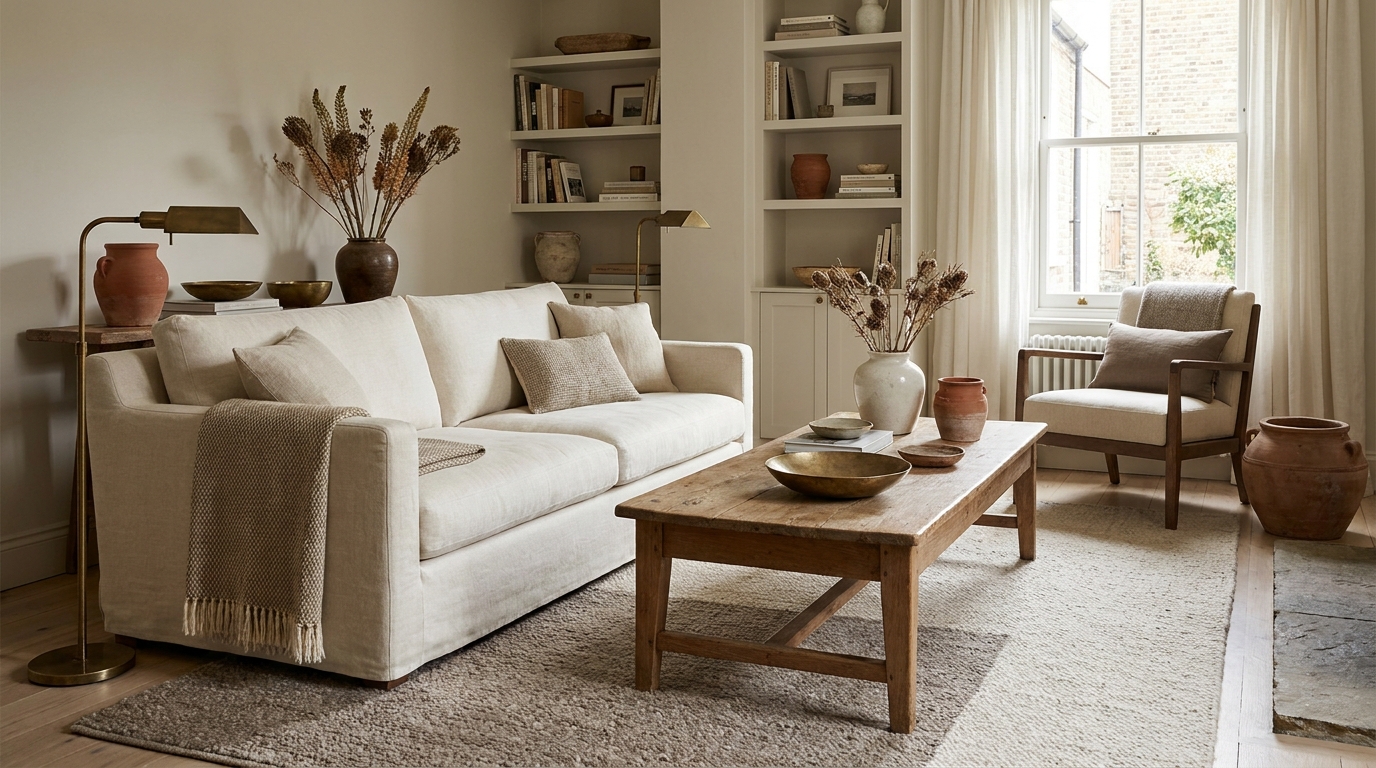
Before comparing, let’s define each clearly. The terms get used loosely online, and that’s where most decorating mistakes start.
Gallery wall
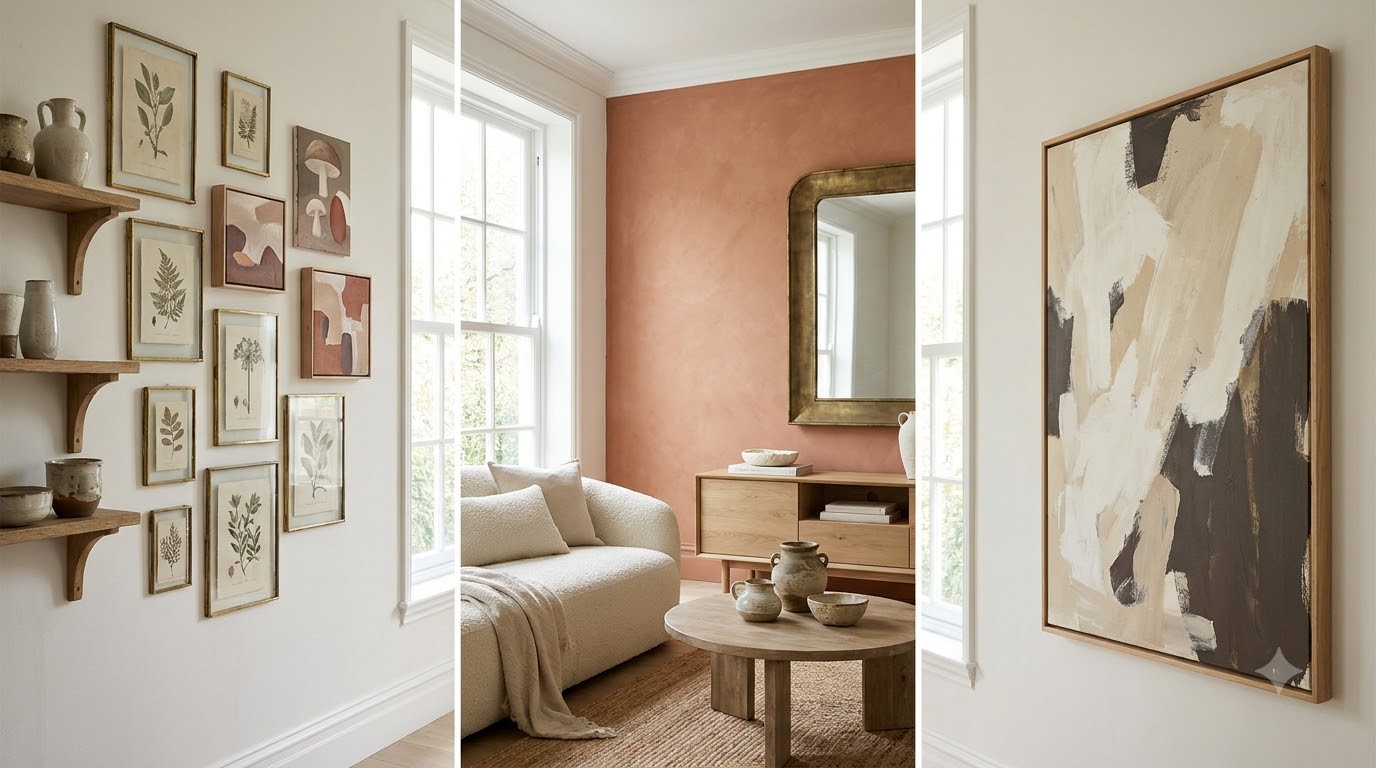
A gallery wall is a curated grouping of two or more framed pieces hung together as one composition. The pieces can be photos, prints, paintings, mirrors, plates, textiles, or 3D objects. What makes it a gallery wall (rather than just “art on a wall”) is intentional spacing — typically 2 to 4 inches between frames — and a shared organizing principle, whether that’s color, frame style, subject, or a strict grid.
Levelframes and most professional installers recommend keeping the center of the entire composition at 57 to 60 inches from the floor, the standard museum eye-line.
Accent wall
An accent wall is a single wall in a room that’s visually distinct from the other three walls. The difference can come from paint color, wallpaper, wood paneling, tile, plaster texture, or peel-and-stick alternatives. According to Architectural Digest’s 2026 accent wall roundup, the concept has expanded to include “the fifth wall” — accent ceilings — but the principle is the same: one surface does the visual heavy lifting.
An accent wall is the wall itself, not what’s on it. You can still hang art on an accent wall, but the wall is the feature.
Statement art
Statement art is a single large-scale piece designed to anchor a wall on its own. The general sizing rule: the piece should occupy 60 to 75 percent of the wall’s width (or the width of the furniture below it). Anything smaller starts to look like a postage stamp on a bedsheet.
Statement art is usually one canvas, one framed print, one tapestry, or one sculptural object — not a pair, not a trio.
Side-by-side comparison
Here’s how the three stack up across the decisions that actually matter when you’re choosing.
| Factor | Gallery Wall | Accent Wall | Statement Art |
|---|---|---|---|
| Typical cost | $50–$400 | $40–$200 | $80–$2,000+ |
| Time to install | 3–6 hours | 4–8 hours (paint) | 20 minutes |
| Renter-friendly | Yes (with command strips) | Sometimes (removable wallpaper) | Yes |
| Reversibility | High | Medium to low | High |
| Room “weight” added | Medium | High | High |
| Best for small rooms | Yes | Yes (lightens or deepens) | Risky |
| Best for tall ceilings | Yes | Yes | Yes |
| Changes easily later | Easy | Hard | Easy |
| Resale appeal | Neutral | Polarizing | Neutral to positive |
| Skill required | Low to medium | Medium | Low |
When a gallery wall wins
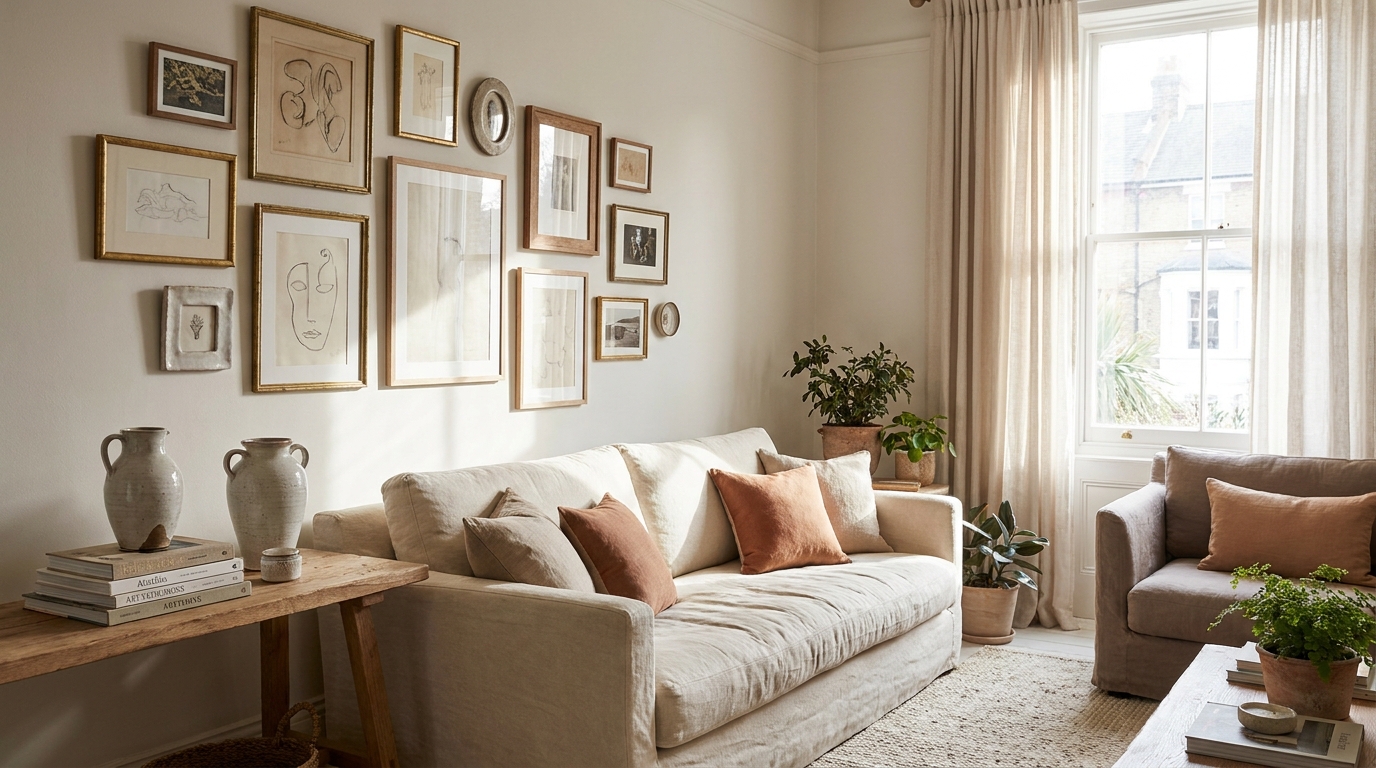
Gallery walls get a bad reputation in certain corners of the internet — there’s a Reddit thread arguing they “lean kitschy and college-dorm-era” — but that’s a critique of bad gallery walls, not the format itself. Done well, a gallery wall is one of the most personal, evolving features in a home.
Choose a gallery wall when:
- You rent and can’t paint, or your lease limits wall changes.
- You have meaningful objects (travel prints, family photos, kids’ art) that deserve display.
- Your wall is over 4 feet wide and feels empty.
- You want a feature that can grow and change without re-doing the whole wall.
- Your style is layered, collected, or eclectic.
- You want warmth and personality more than drama.
The biggest gallery wall mistake is randomness. A gallery wall needs one organizing principle. The most common: matching frame color (all black, all natural wood, all white), matching mat color, matching subject (all botanical, all black-and-white photos), or a strict geometric grid. Mix the contents, not the framing system.
For a small gallery wall (3–5 pieces), expect to spend $50–$150 if you use affordable prints from Society6, Etsy, or Desenio, plus IKEA or Target frames. A larger 8–15 piece installation runs $200–$400 with custom matting.
When an accent wall wins
An accent wall is the fastest way to make a room look architecturally designed when the architecture itself is plain — which describes roughly every apartment built between 1985 and 2015. Done right, it gives a flat space depth, intimacy, or drama depending on the color or material.
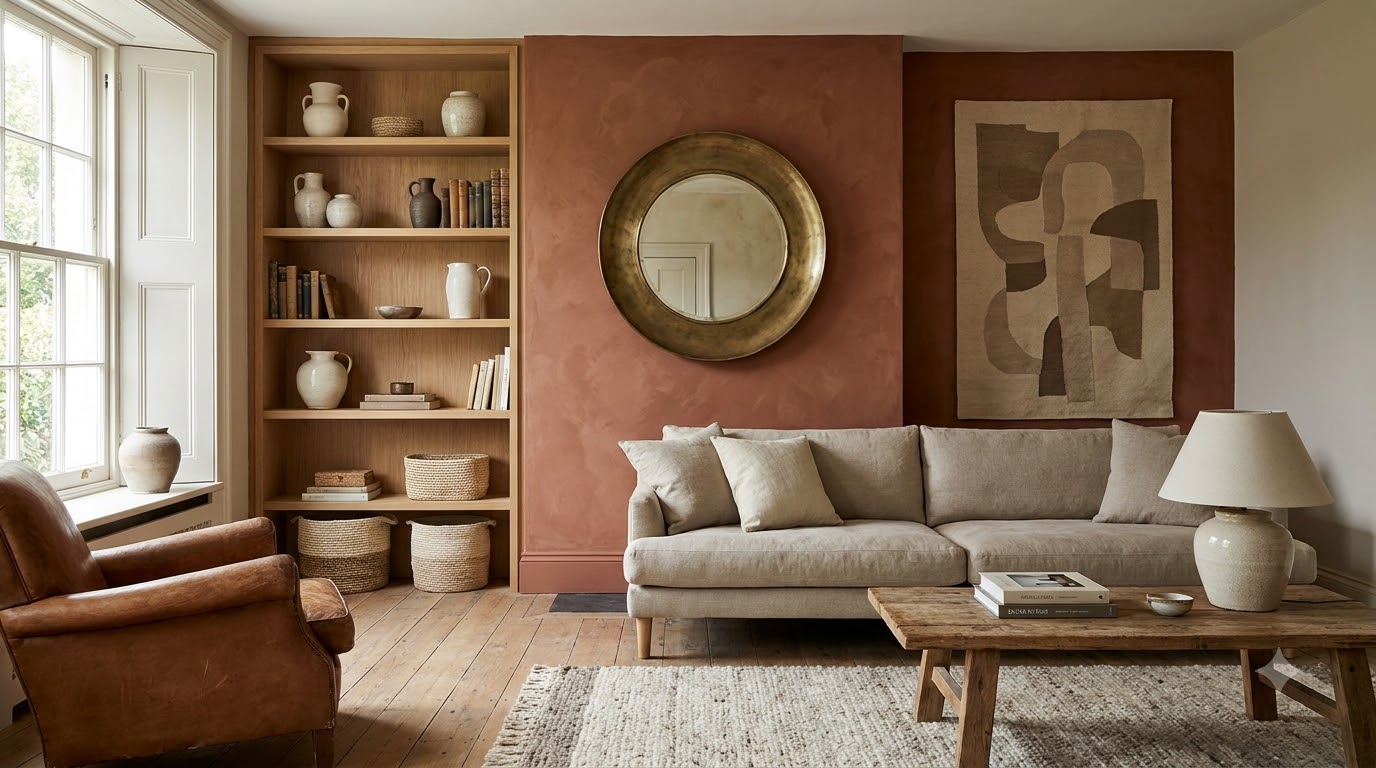
Choose an accent wall when:
- You own the home, or your lease permits paint with restoration.
- The room feels flat, cold, or “rental-beige” and needs personality at the wall level.
- You’re working with a small bedroom or office that benefits from a moody, enveloping color on one surface.
- You have a natural focal wall — the one behind the bed, the sofa, or the dining table.
- You want a designed look without buying any new objects.
Skip the accent wall when the room is small AND already has limited natural light AND you’re considering a dark color. The depth trick only works with sufficient light. In a windowless room, a dark accent wall reads as cave, not cozy.
Paint vs peel-and-stick wallpaper for renters
Most leases prohibit painting without permission, or require painting back to landlord-white at move-out. Peel-and-stick wallpaper has matured dramatically since 2020 — brands like Chasing Paper, Tempaper, and Spoonflower now sell reliably removable, high-pigment options.
Renter math: a single accent wall (8 ft × 12 ft = 96 sq ft) needs about 2–3 rolls of peel-and-stick at $35–$55 a roll, so $70–$165 total. Compare to a gallon of paint at $40–$60 plus the cost of painting back to white when you move out, and removable wallpaper often comes out cheaper for a renter.
When statement art wins
A single large piece is the most sophisticated-looking of the three options. It signals editorial confidence — the decorator picked one thing and committed. According to designer Emily Henderson, one of the most common rookie mistakes is treating every wall in a room with a different art configuration, which creates visual competition. A single statement piece on the room’s main wall solves that problem instantly.
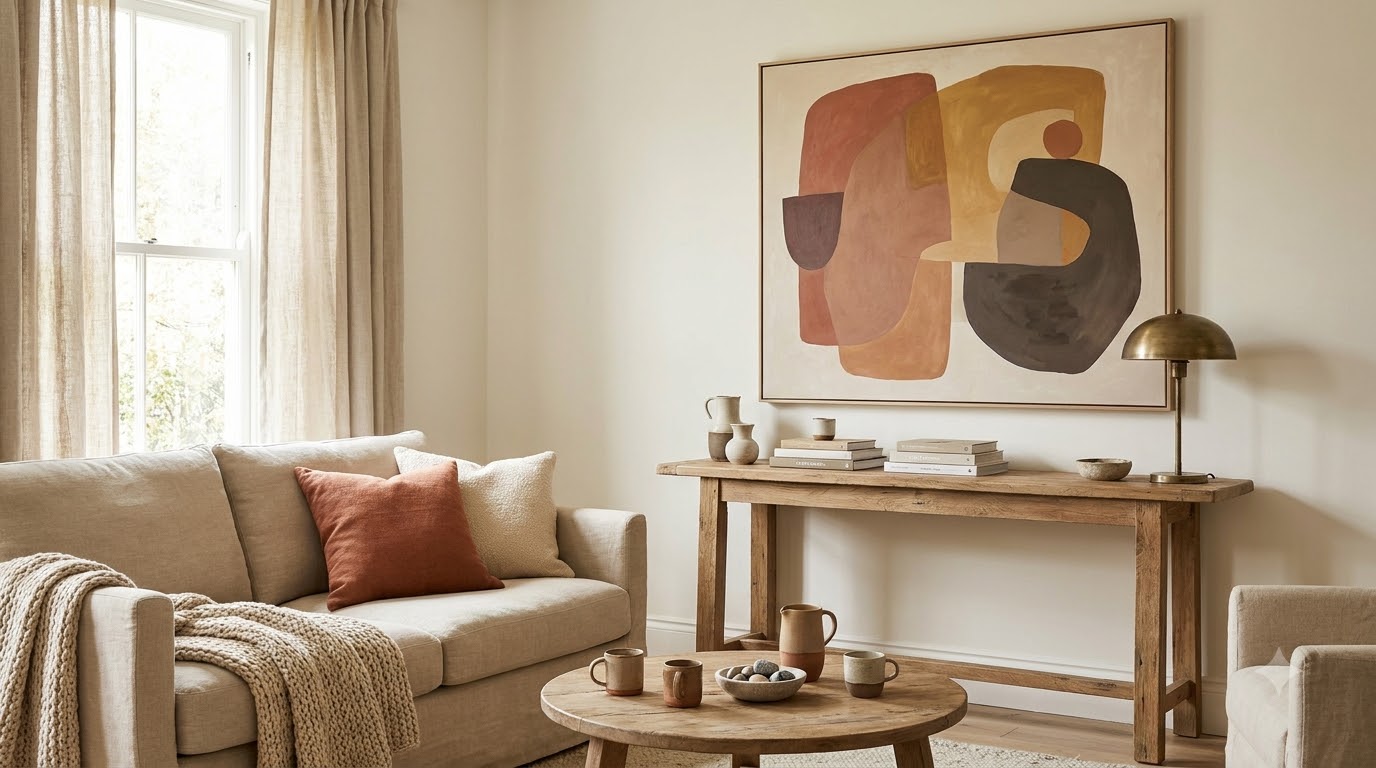
Choose statement art when:
- You want fast impact (one nail, one piece, one weekend).
- Your space is small and a gallery wall would feel cluttered.
- You have one wall you actually care about, and the rest can stay quiet.
- Your style is minimal, modern, or Japandi.
- You can stretch to one quality piece rather than buying many cheap ones.
The sizing math matters more than people realize. Above a sofa, the art should be 2/3 the width of the sofa. Above a bed, the same rule applies — 2/3 the width of the headboard (or wider if you’re confident). On an empty wall with no furniture below, aim for the piece to occupy at least 60% of the wall’s width.
Budget statement art under $200 is real if you know where to look: oversized canvas prints from Society6, Saatchi Art Open Editions, Juniper Print Shop, and even IKEA’s bigger formats. For framed original art, expect $300–$2,000+.
Cost breakdown: what you’ll actually spend
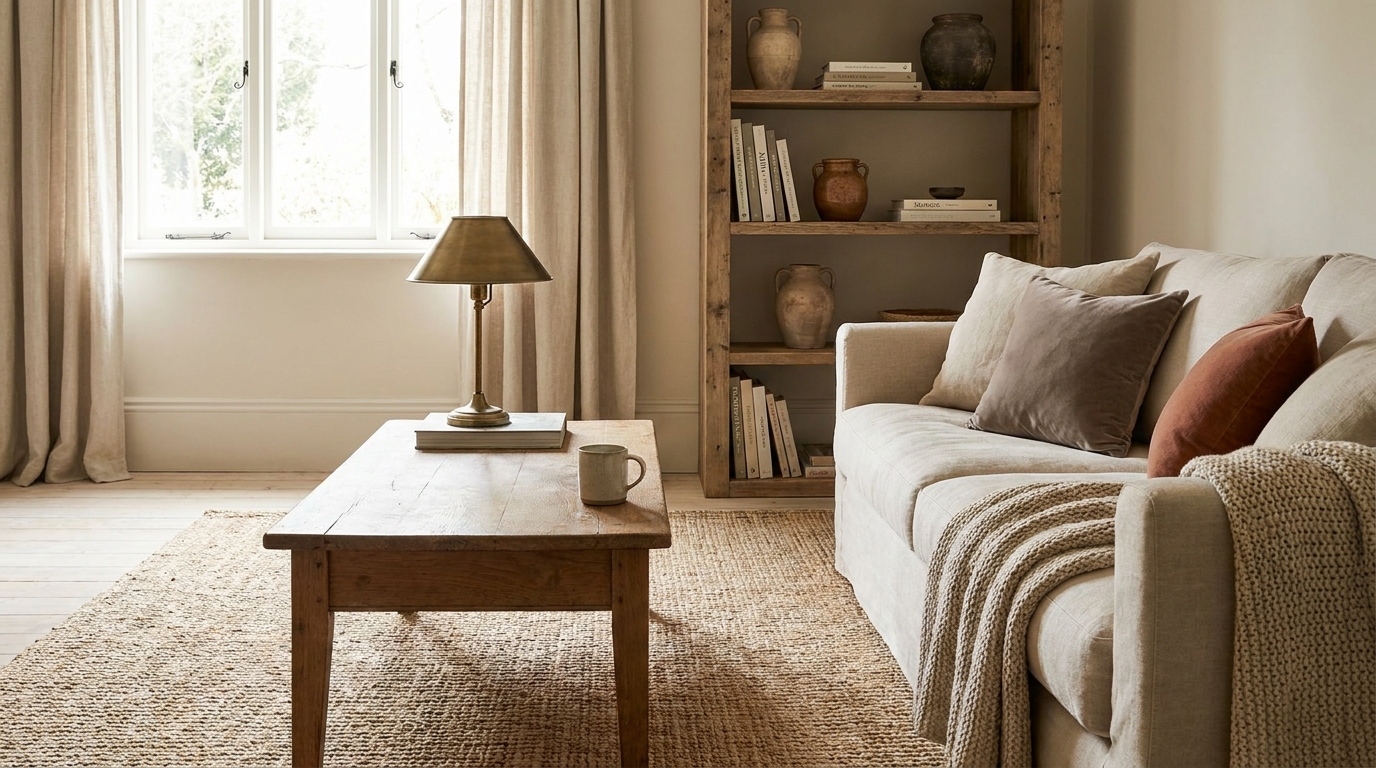
Online cost estimates are useless because they hide the supporting costs. Here’s the real total for each option in a typical 12-foot living room wall, 2025–2026 pricing in US dollars.
Gallery wall, 7 frames
- 7 prints (digital downloads + local print shop): $40
- 7 frames (mix of IKEA Ribba + Target): $90
- Mat boards (where needed): $20
- Command strips or picture-hanging hooks: $15
- Paper templates for layout planning: $0 (use kraft paper)
- Total: $165
Accent wall, peel-and-stick wallpaper
- 3 rolls peel-and-stick wallpaper: $135
- Smoothing tool + sharp utility knife: $20
- Optional: foam roller for textured walls: $12
- Total: $167
Statement art, single oversized print
- One 36″ × 48″ framed canvas print: $220
- Heavy-duty wall anchors: $8
- Level: $0 (phone app)
- Total: $228
The three options are roughly comparable in cost at the entry level. The math changes once you go premium: a custom-framed gallery wall can hit $800+, custom murals run $1,500+, and original statement art has no ceiling.
Room-by-room recommendations
The right answer depends as much on the room as on the option itself. Here’s the short version for the rooms most renters and first-time owners ask about.
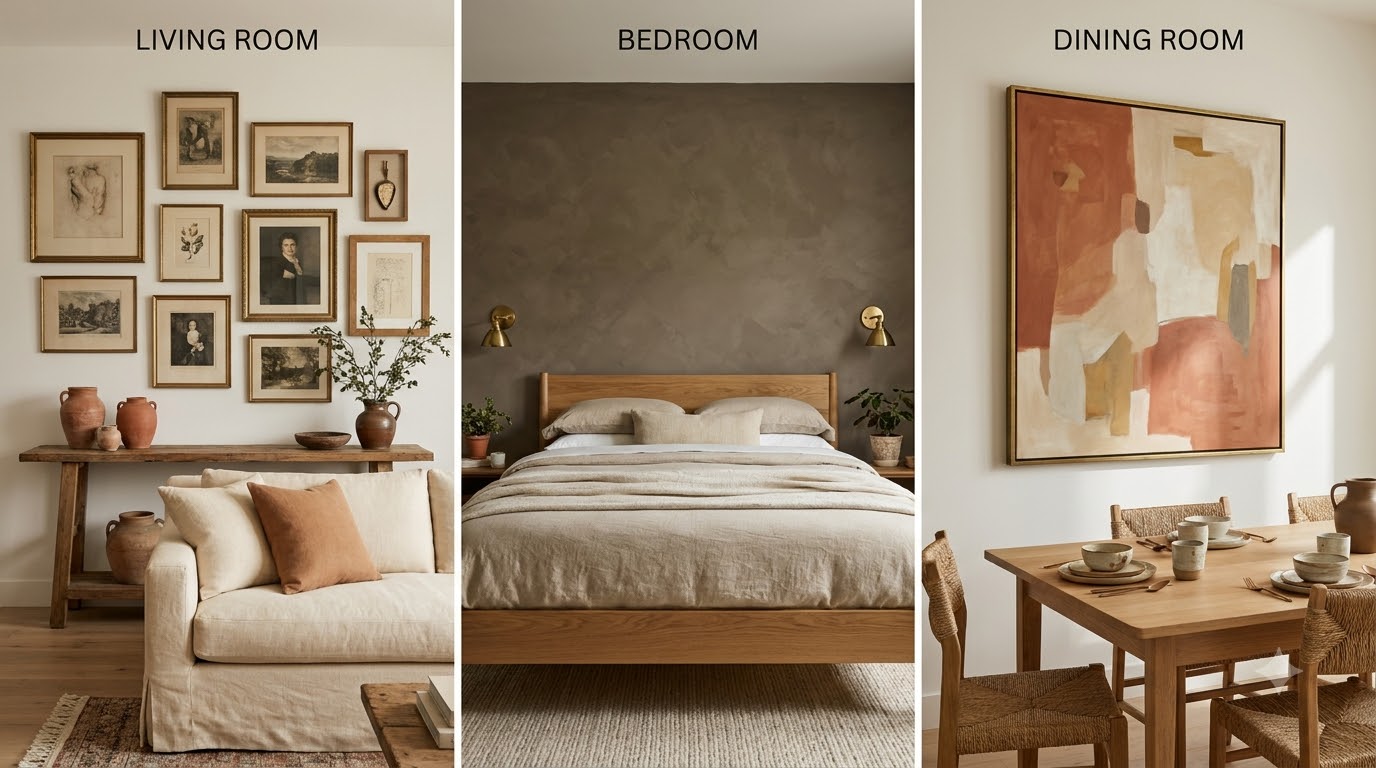
Living room
Best choice: statement art or large gallery wall above the sofa. The wall behind the sofa is the room’s natural focal point and can carry weight. A 5–9 piece gallery wall works if you want personality; a single oversized canvas works if you want calm. Avoid an accent wall behind the sofa unless the sofa is neutral — pattern-on-pattern usually fights.
Bedroom
Best choice: accent wall behind the headboard. This is the most forgiving room for an accent wall because you’re rarely looking at the wall while you’re using the room. A moody color (deep green, terracotta, navy, warm brown) creates the cocooning effect bedrooms benefit from. If you can’t paint, hang one large piece of art above the headboard instead — gallery walls above beds tend to feel busy at eye-level when you’re lying down.
Dining room
Best choice: gallery wall. Dining rooms are made for conversation, and gallery walls give people something to look at and ask about. Try a symmetrical grid of 6 or 9 frames for a more formal look, or an asymmetric cluster for casual energy.
Home office
Best choice: any of the three, but pick based on Zoom backdrop. Your video calls are determining this decision whether you realize it or not. A clean accent wall reads professional. A curated gallery wall reads creative. A single statement piece reads confident. Avoid busy gallery walls behind your office chair — they’ll distort on camera and pull attention.
Hallway / staircase
Best choice: gallery wall, hands down. Narrow spaces are where gallery walls truly shine because you experience them up close and in sequence. Staircase gallery walls in particular benefit from a “stepped” hanging pattern that follows the rise of the stairs.
Entryway
Best choice: statement piece + a mirror, or one small accent wall. Entryways are too small for gallery walls in most apartments — you’d be standing on top of them. One bold piece or a single wallpapered wall makes the entrance feel like a designed moment without crowding the space.
Small kitchen
Best choice: peel-and-stick accent wall on the wall opposite the cabinets. Skip gallery walls in the kitchen — grease, humidity, and frame cleaning are an ongoing chore most people abandon by month three.
The five mistakes that ruin all three
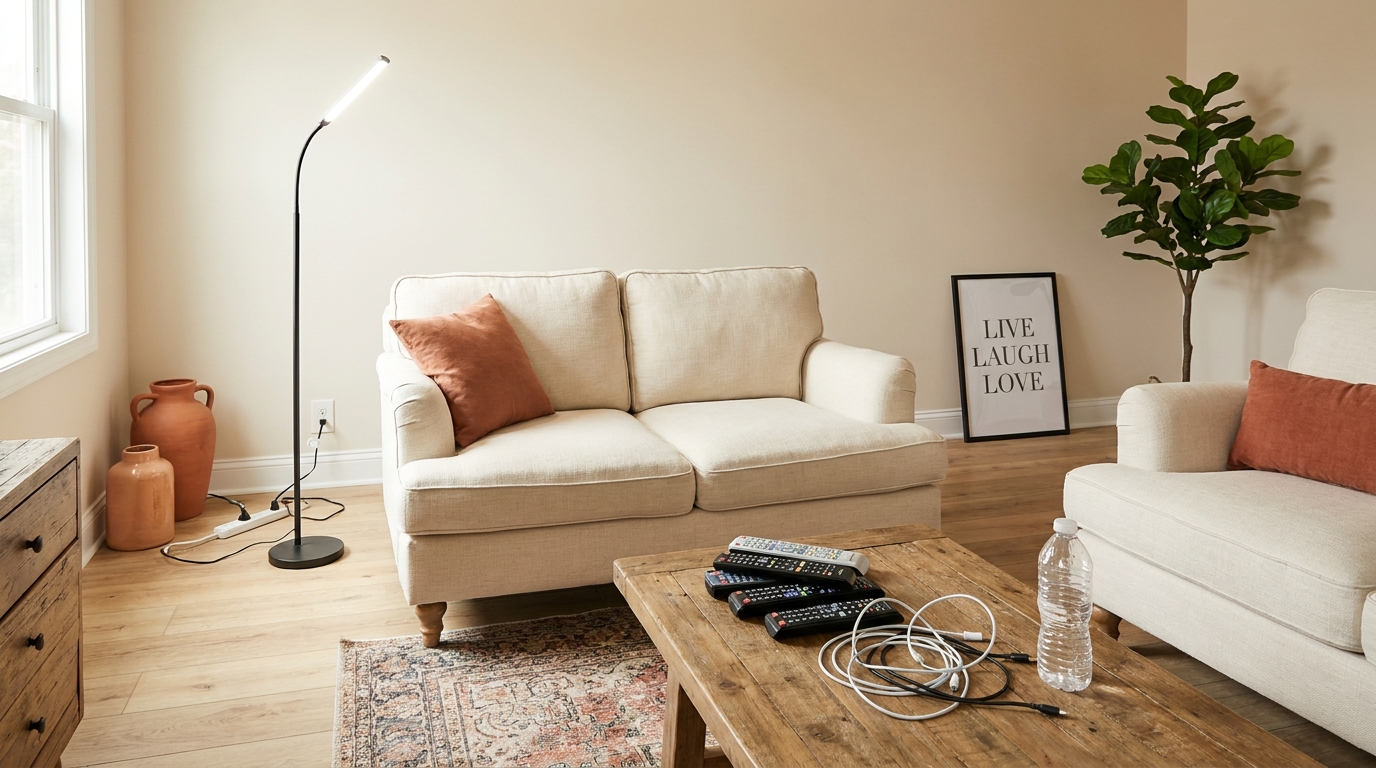
After comparing hundreds of installations, the same mistakes show up regardless of which option you pick.
-
Hanging too high. Center of the composition should be at 57–60 inches, not at your eye-level if you’re tall. Most botched art installs are 6–10 inches too high.
-
Too small for the wall. Whatever you hang should cover 60–75% of the available wall or furniture width. A 16″ × 20″ frame above a king bed looks like a postage stamp.
-
Competing focal points. Don’t put a gallery wall AND statement art AND an accent wall in the same room. One feature wall per room. The other walls support it.
-
Random spacing in gallery walls. Frame-to-frame spacing should be consistent — usually 2–4 inches. Eyeballing it almost always ends up uneven.
-
Forgetting the lease. Before you commit, check your lease for paint, wallpaper, and nail-hole limits. Most leases allow small nails; few allow paint without restoration; almost all allow command strips and removable hooks.
How to actually decide in 60 seconds
Answer these four questions:
- Do you rent? If yes, skip painted accent walls (consider removable wallpaper instead).
- Do you have meaningful objects to display? If yes, lean gallery wall.
- Does the room feel flat and impersonal? If yes, lean accent wall.
- Do you want it done this weekend? If yes, lean statement art.
If you said yes to multiple, weight the one that bothers you most about your current space.
FAQ
Can I do a gallery wall on an accent wall?
Yes, but carefully. Pick a low-contrast accent (a deep neutral like olive, warm gray, or muted blue) and use frames that contrast clearly with the wall color. A high-contrast wall (bright color, busy pattern) plus a gallery wall is visual overload — pick one or the other.
Are gallery walls outdated in 2026?
No, but a certain style of gallery wall is — the random, mismatched-frame, “everything but the kitchen sink” approach popular in the 2010s. Current gallery walls are tighter, more curated, and built around one organizing principle (frame color, subject, palette, or strict grid).
What about a feature wall with shelves instead?
A shelf-based gallery wall (sometimes called a picture ledge installation) is a great hybrid for renters. Two or three floating shelves let you lean art rather than hang it, so you can swap pieces freely without new nail holes. It reads as “designed” without the commitment of a fixed gallery layout.
How big should statement art be above a 72-inch sofa?
Aim for the art to be 48–54 inches wide (roughly 2/3 of the sofa’s width). Height matters less; whatever proportion the piece is, the width is what makes it read as statement rather than afterthought.
Will an accent wall hurt my resale value?
A neutral accent wall (deep green, navy, warm terracotta, moody charcoal) is usually neutral-to-positive at resale because it shows the home can carry color. A trendy accent wall (bright statement colors, busy wallpaper, accent tile patterns) is more polarizing. If resale is within 2 years, lean toward removable wallpaper rather than paint.
Can renters paint accent walls if they paint back?
Most leases technically allow this if you restore the wall to its original color at move-out. The hidden cost: matching landlord-white is harder than it sounds (there are dozens of off-whites), and painting an accent wall back usually takes 2–3 coats. Removable wallpaper is often less hassle.
How long does each option take?
Statement art: 20 minutes start to finish. Gallery wall: 3–6 hours including layout planning with kraft paper templates. Accent wall: 4–8 hours for paint (with drying time), 2–4 hours for peel-and-stick wallpaper.
The bottom line
A gallery wall, an accent wall, and a statement art piece all solve the “what do I do with this wall” problem — but they solve different versions of it.
Pick the gallery wall if you’re a renter, a collector, or someone whose home should feel layered and personal. Pick the accent wall if your room is flat, you can paint (or use removable wallpaper), and you want architectural depth without buying objects. Pick statement art if you want one sophisticated answer that’s done by Sunday night.
What you should not do is try all three in the same room. The most common mistake in renter and first-home decor isn’t picking the wrong option — it’s picking too many. One feature wall per room. Let it lead, and let the rest of the space stay quiet behind it.
The wall has been waiting. Pick one and start.