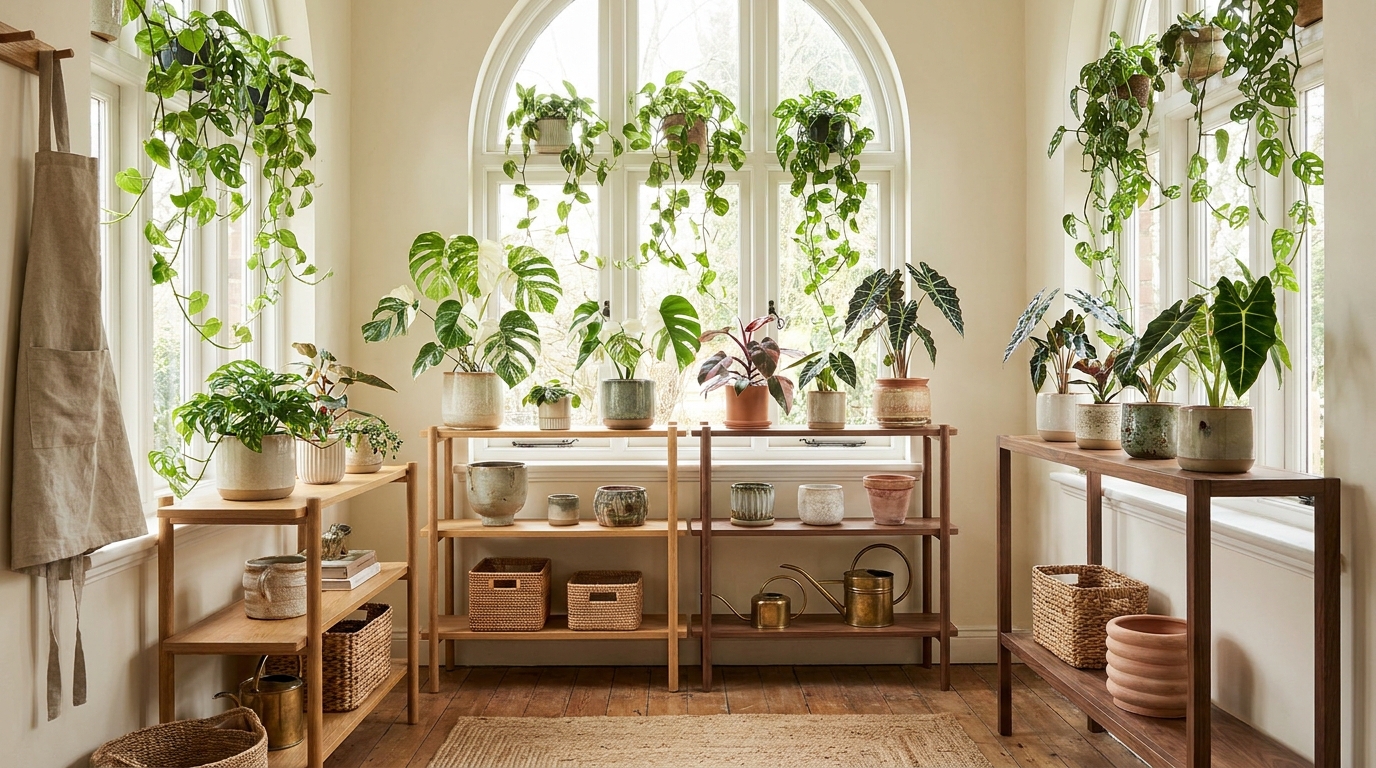
Rare plant pricing has stabilized. The peak of the houseplant bubble (2020–2022) saw variegated monstera cuttings sell for $500–$1,000 and pink princess philodendron nodes trade on Facebook groups like concert tickets. That market has corrected significantly. According to Pistils Nursery, prices for previously ultra-rare varieties have dropped 60–80% since their 2021 peaks as propagation programs scaled up globally.
The stabilization creates a different kind of opportunity. Plants that were genuinely out of reach two years ago are now available at specialty nurseries for $30–$80. Plants that were “rare” due to hype rather than scarcity have mostly returned to reasonable prices. And a small category of plants remains genuinely rare — limited by propagation difficulty, slow growth, or restricted import availability — and commands prices that reflect that.
This guide navigates all three categories: the formerly rare that are now accessible, the genuinely rare worth a premium if you can find them, and the rare-by-hype that aren’t worth the markup.
Key Takeaways
- The rare plant market has corrected 60–80% from 2021 peak prices, making many formerly expensive varieties accessible.
- Variegated plants (white or yellow sections in leaves) are rare because of genetic mutations that can’t be reliably seed-propagated — their scarcity is structural, not just trend-driven.
- “Rare” is used loosely in the market. Some plants labeled rare are simply less common at big-box stores, but readily available at specialty nurseries.
- Rare plants often require more specific care — they’re rare partly because they’re harder to propagate, which sometimes correlates with being harder to keep alive.
- Etsy, specialty plant nurseries, and plant swaps are the most reliable sources for authentic rare varieties at fair prices.
Why Some Plants Are Genuinely Rare
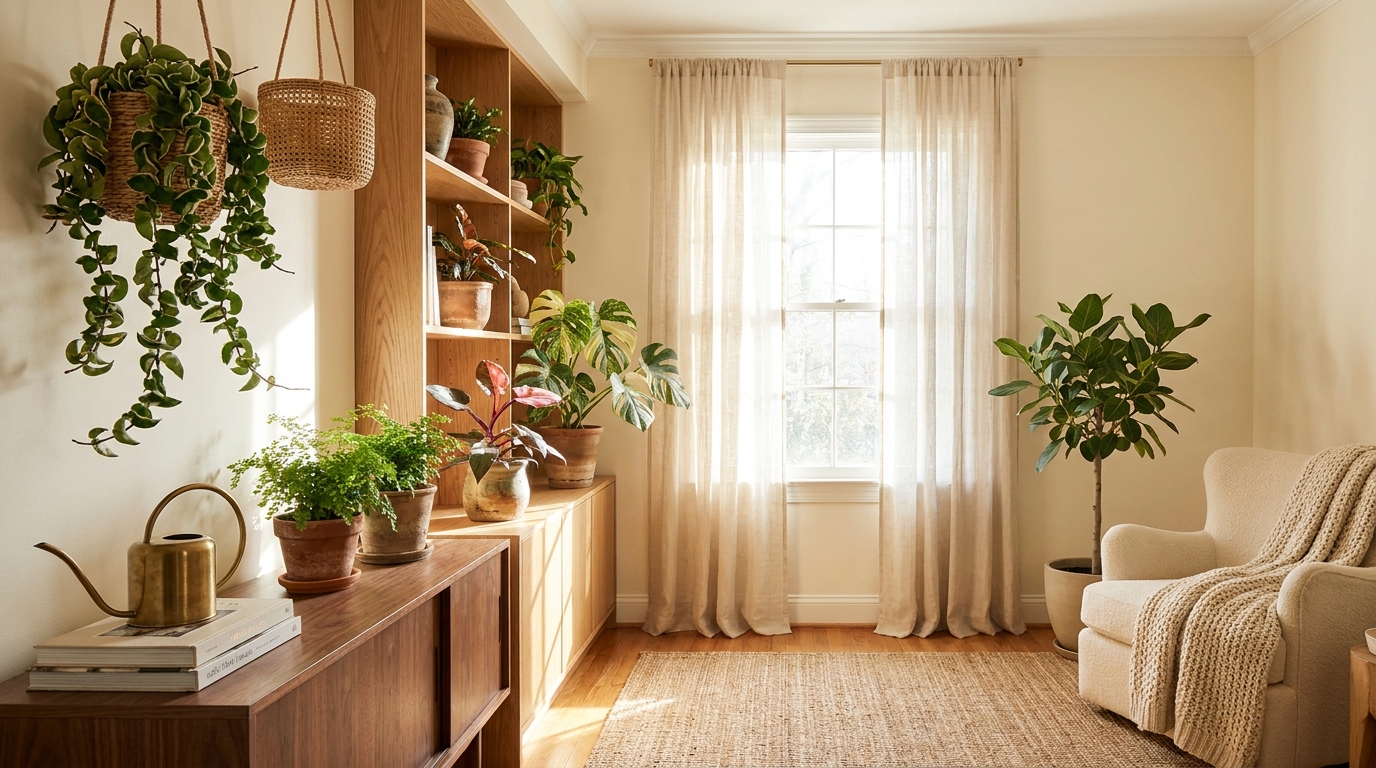
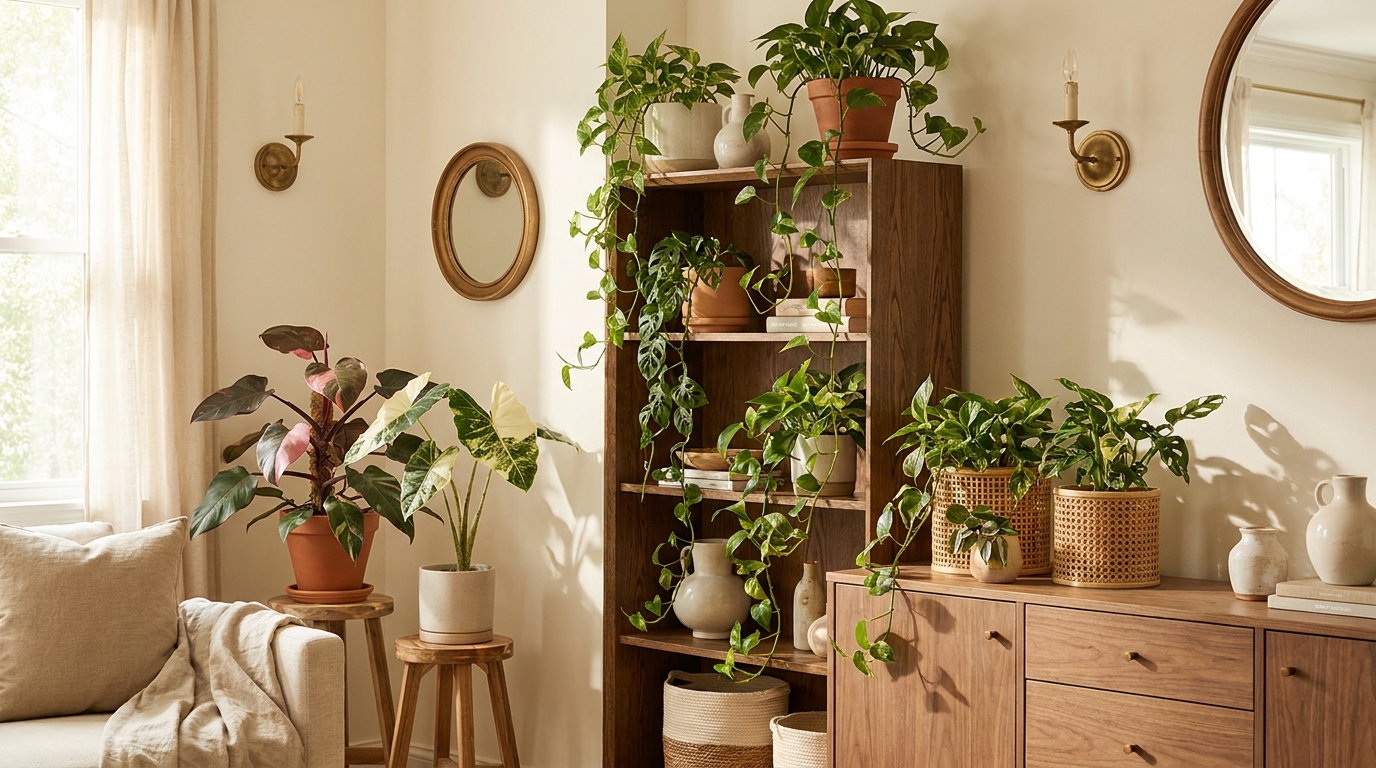
Variegation is genetically unstable. Variegated plants (those with white, yellow, or pink sections in their leaves) carry a genetic mutation that reduces chlorophyll production in parts of the leaf. This mutation can’t be reliably passed through seeds — it must be propagated through cuttings, tissue culture, or stem division. Each propagation is slow and labor-intensive, which limits supply.
Slow growth limits supply. A variegated monstera grows 30–50% slower than its all-green counterpart — the white sections produce no photosynthesis, so the plant must do more with less. Slow growth means fewer cuttings per year, which means supply stays limited even as propagation programs scale.
Import restrictions apply. Some plants are restricted from international import under CITES (Convention on International Trade in Endangered Species) or national regulations. Plants native to restricted habitats may only be available from licensed nurseries, which limits supply.
Tissue culture is changing availability. TC (tissue culture) propagation allows rare plants to be produced in large quantities in sterile laboratory conditions. Many previously rare varieties — like pink princess philodendron and monstera thai constellation — are now available as TC-produced plants, which has significantly expanded supply and reduced prices.
Rare Plants Worth Buying in 2026
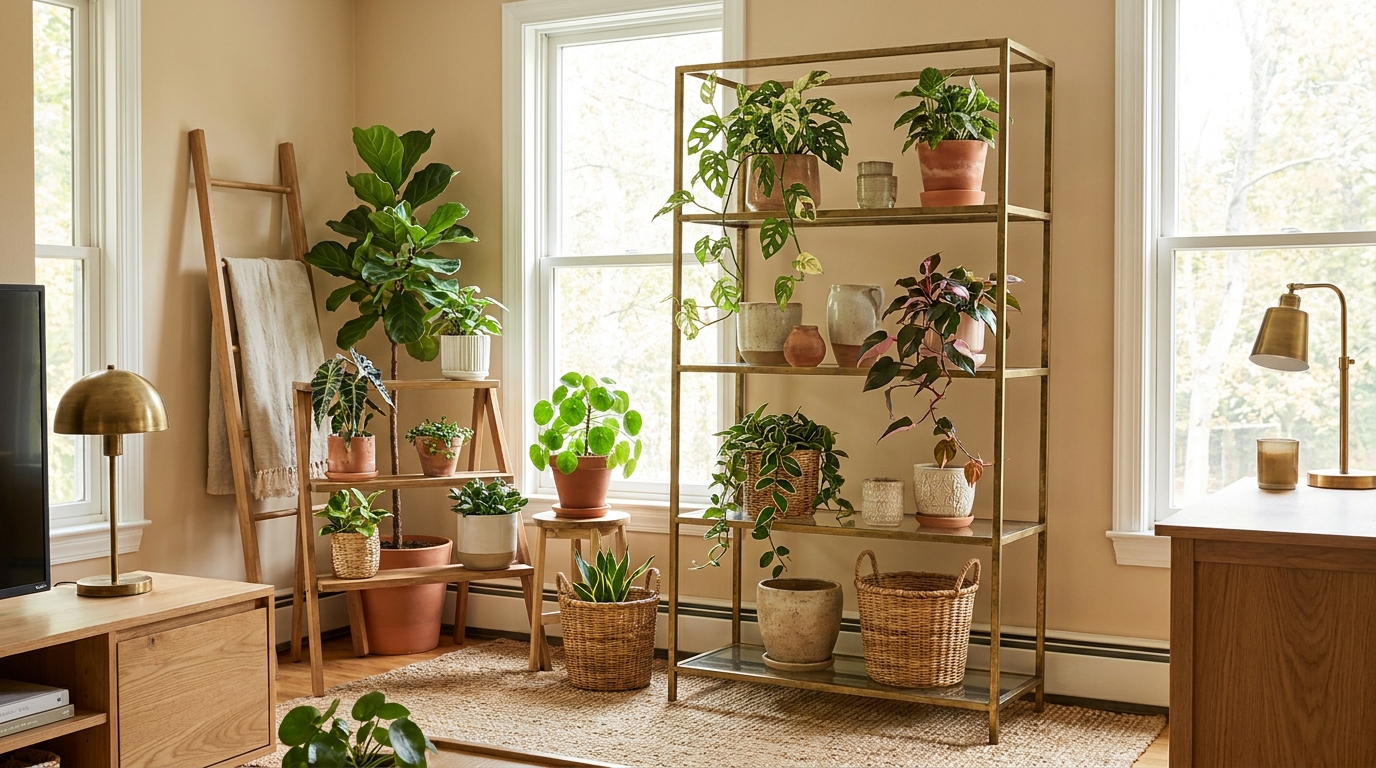
Genuinely Rare and Worth the Premium
1. Monstera albo variegata (White Monstera)
The original rare plant of the 2020 houseplant boom. Monstera albo variegata features white sections in the leaf that result from a natural chimeric mutation — the variegation pattern is random and can’t be controlled. No two leaves look alike.
- Current price range: $60–$150 for a rooted cutting; $200–$400 for an established plant
- Why it’s still rare: Albo variegation is chimeric — it can’t be produced via TC because the mutation doesn’t clone reliably. Only cutting propagation works, keeping supply manually limited.
- Care: Needs more light than regular monstera (300–500 fc) due to reduced photosynthesis in white sections; water slightly less than green monstera
- Realistic expectation: White sections can revert to green or turn entirely white (half-moon) depending on genetics. The pattern changes with every leaf.
2. Monstera thai constellation
Produced via tissue culture, which has made it more available than albo variegata. Thai constellation features cream-colored speckle variegation rather than large white patches — the pattern is more uniform and consistent across leaves.
- Current price range: $40–$90 for a rooted cutting; $100–$200 for a mature specimen
- Why it’s worth it: More stable than albo variegata — the speckle pattern is consistent and doesn’t revert easily. TC production means better availability than albo.
- Care: Similar to regular monstera but with the same light premium for variegated plants
3. Pink Princess Philodendron (Philodendron erubescens ‘Pink Princess’)
One of the most recognizable rare plants of the 2020s. The deep burgundy leaves with bubblegum-pink variegation are unlike anything else in the houseplant market. TC production has made it genuinely accessible — but authentic, highly variegated specimens still command a premium.
- Current price range: $20–$40 for a small TC plant; $60–$150 for a well-variegated mature specimen
- Caution: Low-variegation plants or reverted plants (mostly green) are frequently sold as pink princess. Look for 30–50% pink coverage as a minimum.
- Care: Needs 200–400 fc to maintain variegation; more light = more pink. Can revert to green in low light.
4. Philodendron gloriosum
A terrestrial philodendron with enormous velvety leaves — the texture and scale are genuinely different from any other common houseplant. It grows along the soil surface rather than climbing, which requires a wider rather than taller growing space. Its white veining on a deep green, velvety surface is one of the most visually distinctive leaf patterns available.
- Current price range: $35–$80 for a healthy specimen
- Why it’s rare: Slow grower that produces leaves at 3–4 per year. Supply stays limited relative to demand.
- Care: Needs high humidity (50%+) and indirect light (150–300 fc); terrestrial growth habit means it needs a wide, shallow pot
A gloriosum leaf unfurling is a slow-motion event that takes 2–3 weeks. The new leaf emerges tightly rolled, then gradually unfurls over days. For plant lovers who pay attention to their plants, it’s deeply satisfying to watch.
5. Anthurium clarinervium
Known for its heart-shaped velvety leaves with dramatic white venation. The Anthurium genus has produced dozens of rare collector plants, but clarinervium is among the most accessible while still being genuinely rare at most standard nurseries.
- Current price range: $30–$70 for a healthy specimen
- Care: High humidity (50–60%), indirect light (150–250 fc), well-draining soil with orchid bark mixed in; sensitive to overwatering
Formerly Rare, Now Accessible
6. Monstera adansonii (Swiss Cheese Plant, small form)
The smaller, trailing cousin of monstera deliciosa. Its fenestrated leaves (multiple holes rather than splits) create a lacy, delicate appearance. Widely available now at specialty stores and even some big-box retailers.
- Current price range: $10–$25
- Why buy it: The trailing growth works on shelves and in hanging planters in ways regular monstera can’t. Still distinctly monstera aesthetics at a small-plant price.
7. Rhaphidophora tetrasperma (Mini Monstera)
Despite not being a true monstera, its fenestrated leaves read as monstera-like. Fast-growing, tolerant, and now widely available after being rare as recently as 2022.
- Current price range: $15–$35
- Why buy it: Produces monstera-like leaves at a faster rate and in a more compact form. Better for smaller spaces.
8. Hoya kerrii (Sweetheart Hoya, multiple-leaf form)
Often sold as a single leaf cutting (which cannot actually grow into a full plant), the multi-leaf hoya kerrii is a different and legitimate plant that produces heart-shaped leaves in trailing clusters.
- Current price range: $12–$30 for a rooted multi-leaf specimen
- Caution: A single-leaf cutting sold in a pot is not a plant that will grow — it is a leaf with no node and will never produce new growth. Buy only multi-stem rooted plants.
Rare by Rarity Category (Specialist Finds)
9. Alocasia cuprea (Mirror Plant / Dragon Scale)
Alocasia cuprea’s leaves have an almost metallic, hammered-copper surface texture with dark venation. Among the most visually distinctive plants available from specialist nurseries.
- Current price range: $25–$60
- Care: High humidity, bright indirect light (200–300 fc); more demanding than most houseplants on the list
10. Dischidia nummularia (String of Nickels)
A succulent-like epiphytic plant with small, round coin-shaped leaves that trail from a hanging planter. Low maintenance, drought-tolerant for its family, and visually distinctive.
- Current price range: $15–$30
- Care: Bright indirect light, allow to dry between waterings; treat similarly to a hoya
11. Peperomia obtusifolia variegata (Variegated Baby Rubber Plant)
Much easier to care for than most variegated plants, the variegated baby rubber plant has cream-and-green leaves with a glossy finish. Handles lower light than most variegated plants and is significantly easier to keep healthy.
- Current price range: $15–$25
- Why it’s underrated: Most variegated plants are high-maintenance; this one tolerates medium-low light and irregular watering, making it genuinely accessible as a rare specimen.
Rare Plants Not Worth the Premium
12. Pothos ‘Manjula’ or ‘N-Joy’
Premium priced relative to golden pothos but significantly less rare than marketed. N-Joy and Manjula pothos are widely propagated and available — they’re uncommon at big-box stores but readily available online and at plant shops. The variegation is beautiful but not worth a 3× price premium over golden pothos.
13. Fiddle Leaf Fig (Standard)
Occasionally mislabeled as rare in mainstream retail. Fiddle leaf fig is not rare — it is ubiquitous. Its high price reflects its visual appeal and some demand premium, not scarcity.
14. “Dragon Tail” Pothos (Epipremnum pinnatum)
Often sold under dramatic names at specialty stores. Dragon tail is a naturally occurring form of epipremnum with less common fenestrated leaves. It’s interesting but available from multiple online sellers. Not rare — just less common than golden pothos.
Where to Find Rare Plants in 2026
Etsy plant sellers are the most reliable source for authentic rare varieties at fair prices. Look for sellers with 100+ reviews and clear photos of the actual plant being sold (not stock photos). Request photos of the specific node or cutting before purchasing.
Specialty plant nurseries often carry rare varieties that big-box stores don’t stock. Search “[city name] specialty plant shop” or “[city name] rare houseplants” to find local options.
Plant swaps and Facebook groups (like “Houseplant Swap and Trade” communities) are the most cost-effective source — propagators frequently trade cuttings for other species rather than selling for cash.
Tissue culture plants from online retailers (Steve’s Leaves, Logee’s Greenhouses, Aroid Roots) provide laboratory-propagated specimens at lower prices than collector-propagated cuttings.
The rare plant market in 2026 rewards patience and research. The list above spans the full range from $15 accessible finds to $150 genuine collector specimens — and distinguishes the plants that earn their premium from those that don’t.